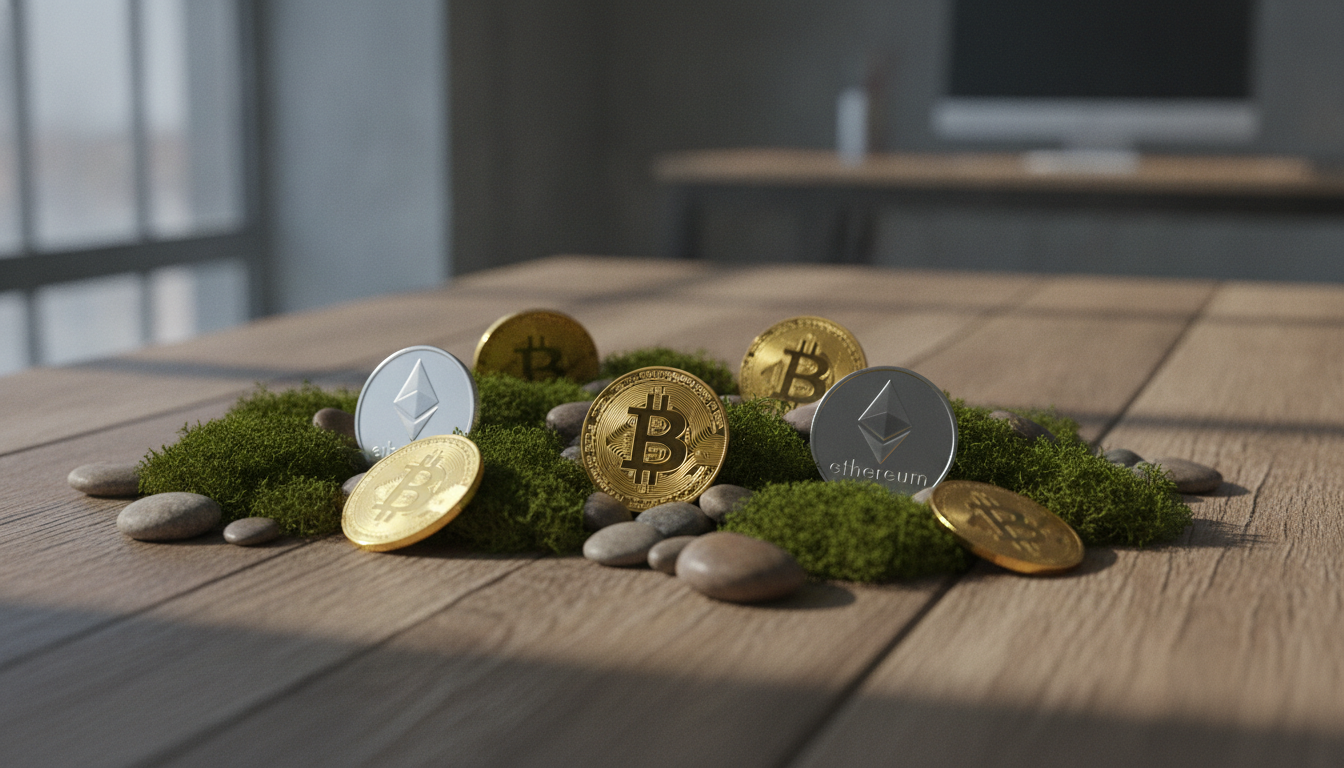

Layer 2 for Payments: Cheaper, Faster Crypto Transactions
Layer 2 for Payments: Cheaper, Faster Crypto Transactions
Layer 2 payments make crypto practical for everyday use by batching many transfers off the main blockchain and settling their results on a secure base layer. That design slashes fees to cents, speeds confirmations to near‑instant, and keeps the security guarantees users expect. Networks like Polygon and Optimism prove it at scale today. (l2fees.info)
What are layer 2 payments and why do they matter?
Layer 2 payments are transactions executed on a network that sits on top of a base blockchain, such as Ethereum, then periodically anchors results back to that base chain. They matter because this approach preserves the security of a mature Layer 1 while dramatically lowering costs and wait times, often to under a cent and under a second for simple transfers. After Ethereum’s Dencun upgrade added “blob” data (EIP‑4844), the cost for L2s to publish data fell sharply, which is why median fees on major rollups dropped to sub‑cent levels for many operations. In short: layer 2 payments cut costs without abandoning core security. (blog.ethereum.org)
In 2023–2024, many consumers said crypto didn’t feel reliable enough to use at checkout, and fees often got the blame. Pew found 63% of U.S. adults are not confident crypto is safe or reliable; FIS reported crypto was used for less than 0.2% of e‑commerce value. That’s a credibility gap. Layer 2 closes it by making low fee crypto payments feel instantaneous. (pewresearch.org)
Let’s start with a quick scene. You tip a designer $5 in USDC. On congested mainnet, you hesitate because the network fee might eat 20–50% of the tip. On an L2, the fee is a fraction of a cent and settles in seconds. Same dollar. Very different experience. The difference is architectural, not marketing.
For clarity, when we say “Layer 2,” we mean systems that post data or proofs back to a base chain and can fall back to that base chain’s rules in disputes. That excludes pure sidechains, which have separate security, though they often deliver similar user benefits at the point of sale. Ethereum’s documentation makes this distinction explicit, and it will matter when we choose which rails to pay on. (ethereum.org)
With that in mind, we’ll unpack why mainnet fees and latency make normal spending painful, how L2s actually work, and where they’re already winning—especially for l2 stablecoin transfer, payroll, and cross‑border payouts.
Why do Layer 1 transactions struggle with cost and speed?
Layer 1 blockchains carry the full weight of global security and consensus. That’s great for final settlement, but expensive for routine payments. When you submit a transfer on Ethereum mainnet, you compete for limited block space. As demand rises, so do fees and confirmation times. Median transaction fees on Ethereum have swung from cents to double‑digits dollars in busy periods since 2021, which is exactly when everyday “coffee‑money” payments vanish. Bitcoin shows similar fee volatility around congestion events. (bitinfocharts.com)
The result is familiar: people stop spending and revert to exchanges or cards. FIS’s Global Payments analysis classified crypto at checkout as fringe in 2023, with less than 0.2% of e‑commerce value. High, spiky fees and variable wait times are the main culprits from the user’s perspective. (ledgerinsights.com)
From a system perspective, the root cause is throughput. An L1 like Ethereum targets security and decentralization first; the base layer can process only so many transactions per second. When a wave of activity arrives, users bid for inclusion with higher gas. During bursts (NFT mints, token launches), fees can shoot up quickly, pricing out small transfers. Historical datasets from BitInfoCharts and YCharts show those fee spikes clearly. (bitinfocharts.com)
User experience suffers in other ways, too. If you’re not a power user, figuring out “how much gas” and “how fast” can feel opaque. Etherscan’s Gas Tracker makes estimation easier, but that doesn’t change the economics during peak demand. For a freelancer waiting to be paid, “try again later” is not a plan. (etherscan.io)
All of that explains the skepticism you may still feel. So what can you do about it? Move routine payments to L2, then settle to L1 when you need capital‑markets finality. That’s the pattern already emerging across the Ethereum ecosystem. L2Beat’s activity panels show rollups sustaining hundreds of transactions per second at far lower unit costs than mainnet, and that’s before broader merchant adoption kicks in. (l2beat.com)
Here’s a concise comparison.
Table: Layer 1 vs Layer 2 for everyday payments
- Transaction Type | Cost | Speed | Scalability
- Ethereum L1 simple transfer | Often $0.50–$5 (can spike higher) | ~12 seconds per block, can queue longer under load | Limited by base chain TPS
- Ethereum L1 token swap | Often $2–$15+ in normal periods | Minutes if congested | Limited by base chain TPS
- L2 USDC transfer (Optimism/Arbitrum/Base) | Typically <$0.01–$0.10 | Near‑instant UX, seconds to L2 finality | Scales via batching and L1 data posts
- L2 token swap | Typically $0.10–$0.40 | Seconds | Scales via batching and L1 data posts
Ranges reflect recent medians tracked by L2Fees.info and common mainnet medians reported by BitInfoCharts/YCharts; real‑time prices vary. (l2fees.info)
With the pain points on the table, the next question writes itself.
How do Layer 2 solutions actually make payments cheaper and faster?
Layer 2s cut costs and latency by moving most work off the base chain, then posting compact data and proofs back to it. Think of it like taking a busy highway (L1), building a high‑capacity express lane next to it (L2), and then stamping a single, tamper‑evident checkpoint at every exit. The checkpoint is your settlement proof.
Rollups are the dominant design. They batch hundreds or thousands of transactions, compress the data, and publish it to the base chain. In optimistic rollups (like Optimism), batches are presumed valid and can be challenged for a period; in zero‑knowledge rollups (like many Polygon and Starknet deployments), each batch includes a cryptographic proof of correctness that the base layer can verify. In both cases, users get lower fees because the expensive part—publishing to L1—is shared by many transactions at once. (ethereum.org)
Two other patterns round out the landscape:
- State channels: two or more parties open a channel on L1, transact freely and instantly off‑chain, and only touch L1 again to close the tab. Great for rapid‑fire micropayments between known peers. (ethereum.org)
- Sidechains: independent blockchains bridged to L1. They can be very fast and cheap, but they don’t inherit full L1 security by default because they have their own consensus. Polygon’s proof‑of‑stake chain is a prime example used for payments at scale. (coingecko.com)
The 2024 “Dencun” upgrade (EIP‑4844) supercharged rollups by adding “blobs,” a new kind of temporary, cheap data space designed for L2s. Blobs separated L2 data costs from normal L1 gas, so L2s no longer bid against regular smart‑contract activity to publish batches. That’s the main reason transfer fees on major rollups often dropped below a cent for simple sends post‑upgrade. (blog.ethereum.org)
Here’s how a payment actually flows on an optimistic rollup such as Optimism:
- You sign and submit a USDC transfer. 2) The L2 sequencer orders your transaction immediately, so you see it “confirmed” in the app within seconds. 3) The sequencer batches many user transactions and posts the batch plus data to Ethereum. 4) During the challenge window, any fraud is contestable. In practice for payments, the experience is instant on L2 while still settling back to Ethereum’s security budget. Optimism’s fee model exposes this clearly: L2 execution fee + L1 data fee + a tiny operator fee. (docs.optimism.io)
And a zk‑rollup? Step 1 is the same. Steps 2–3 replace “challenge period” with “validity proof.” Each batch ships with a succinct proof that the new state follows from the old state. Ethereum verifies the math and accepts the outcome. The upside: fast withdrawals to L1 and a different trust model. The trade‑off: more complex proving systems. Ethereum’s enterprise materials summarize these differences crisply for decision‑makers. (entethalliance.org)
"The Ethereum ecosystem is likely to be all‑in on rollups for the near and mid‑term future." — Vitalik Buterin
What does this mean for you? If your goal is “send $50 anywhere, pay almost nothing, get near‑instant feedback, and still inherit mainnet security,” L2s fit that brief. L2Beat’s activity dashboards show rollups processing sustained, high‑volume traffic at a fraction of L1 costs, and L2Fees.info shows real‑time cost ranges for transfers and swaps you can verify yourself. See the difference? (l2beat.com)
One example among many: the SeevCash App implements Layer 2 rails so a freelancer can request USDC on Optimism or a merchant can settle a day’s sales on Polygon for pennies. We designed this around savings you can audit yourself: check the live median fee for a USDC transfer on your chosen L2, then compare it to what you’d have paid on mainnet at that moment. (l2fees.info)
What benefits do users actually get when paying on L2?
The headline benefits are simple: lower fees, quicker confirmations, and smoother UX. But the specifics matter.
Costs fall first. By amortizing L1 data across many transactions, L2s push typical transfer fees into the sub‑cent to low‑cent range. L2Fees.info consistently shows sub‑$0.10 for USDC transfers on major rollups, while mainnet swaps can still run dollars during busy hours. After Dencun’s blob market went live, L2 posting costs decoupled from regular L1 gas spikes, which stabilized prices further. (l2fees.info)
Speed improves next. A sequencer can include your transaction within a second or two and return a result to your wallet before the batch ever hits L1. For payments and tips, that feeling of “done” matters more than you think. Ethereum’s own scaling docs explain why moving execution off‑chain produces this snappy UX even while settlement anchors to L1 later. (ethereum.org)
User confidence grows as costs and waits shrink. Stablecoins already move trillions on‑chain each year, and Visa’s on‑chain dashboard tracks that activity across major networks. Put cheap rails under that volume and normal spending—coffee, rides, invoices—starts to feel sane. That’s where layer 2 payments shine. (corporate.visa.com)
🔑 Key Takeaway: Layer 2 solutions are essential for the future of seamless cryptocurrency transactions because they deliver near‑instant results at negligible cost while settling back to a highly secure base chain. (blog.ethereum.org)
What does this mean for you? If you run payroll for a 20‑person remote team, an L2 stablecoin transfer cuts per‑head fees from dollars to cents and clears in seconds. If you tip creators, low fee crypto payments on L2 mean you can send $1 without sending $1 in fees. If you’re a merchant, L2 checkout gives you card‑like speed with settlement you control.
Where are layer 2 payments working in the real world?
Layer 2 isn’t a lab project. It’s already moving money.
Start with Polygon. The network’s low fees and fast confirmation times have made it a popular venue for payments, with third‑party research documenting large monthly processed volumes for payment processors like Tazapay. Polygon’s own developer materials frame why: predictable fees, high throughput, and broad stablecoin support. That combination makes micro‑purchases and frequent invoicing feasible. (coingecko.com)
Optimism, part of the OP Stack family, focuses on scaling Ethereum’s execution for general use while preserving a clear fee model users can understand: an L2 execution fee plus an L1 data fee (now cheaper post‑EIP‑4844), and a tiny operator fee. For recurring payments, that transparency makes budgeting simple. (docs.optimism.io)
Here are concrete snapshots that show what “working” looks like:
-
Before/After for a freelance payout
- Before: Designer invoices for $250 USDC on Ethereum mainnet, waits minutes, pays $4 in gas during a mild spike.
- After: Same invoice on an L2 rollup, confirmation in seconds, fee under a cent. Savings stack up across dozens of invoices per month. You keep the margin, not the mempool. (l2fees.info)
-
B2B transfers at scale on Polygon
- Independent reporting notes hundreds of millions in monthly payment volume for specific processors on Polygon, with fees small enough to be operationally negligible relative to ticket sizes. That is exactly the threshold mainstream finance expects. (coingecko.com)
For context and planning, it helps to see examples side by side.
Table: Real‑world applications of L2 payments
- Business Name | Industry | Layer 2 Solution Used | Benefits Experienced
- Tazapay | B2B cross‑border payments | Polygon PoS | High throughput, materially lower fees on large monthly volumes, faster settlement cycles. (coingecko.com)
- Independent creator marketplaces (generic) | Digital services | Optimism or Base | Instant tips and small ticket sales with sub‑cent fees; better conversion at checkout. (l2fees.info)
- SaaS freelancer collectives (generic) | Global payroll | Arbitrum/Optimism | Batch payouts in USDC in seconds; per‑payout fee cut to cents, no chargebacks. (l2fees.info)
One example among others: our premium toolkit, SeevCash Plus, layers invoicing, payouts, and multi‑network support so a startup can pick the cheapest rail in real time (Optimism for micro‑tips, Polygon for weekly payroll), while keeping a single ledger of record and L1 settlement when needed.
Which L2 should you pick? Use a simple rule of thumb: pick the chain your customers or payees already use, then verify fees live on L2Fees.info before sending. If you need the widest EVM app coverage, Optimism‑stack chains make migration simple. If your volumes are heavy and you want near‑zero fees, Polygon’s PoS chain and zk‑based deployments are proven go‑tos for many payment flows. For most readers, both are worth supporting. (l2fees.info)
Common Questions About Layer 2 Payments
What are the main types of layer 2 solutions?
Three families dominate today. State channels let known parties transact off‑chain and only touch the base chain to open or close, making them ideal for rapid micropayments. Rollups batch transactions and post data to L1; optimistic rollups allow challenges, while zk‑rollups submit validity proofs. Sidechains are separate blockchains bridged to L1 and can be fast and cheap, though they do not inherit L1 security by default. (ethereum.org)
How do layer 2 payments reduce transaction costs?
They aggregate many user transactions and share one L1 data post across the whole batch, so each user pays a tiny slice of that L1 cost. After EIP‑4844 introduced blob space dedicated to L2 data, that shared cost fell further and became more stable. The rest of your fee is the L2 execution charge and a small operator fee. That’s why a $5 tip can cost under a cent to send on an L2. (blog.ethereum.org)
Are layer 2 solutions secure?
Yes, when you use true L2s that anchor to a robust L1. Rollups inherit base‑layer security: optimistic rollups rely on fraud proofs with challenge windows to catch invalid batches, and zk‑rollups rely on mathematical validity proofs checked on L1. State channels can safely settle on L1 if a counterparty misbehaves. The key is to distinguish rollups (which inherit L1 security) from sidechains (which have separate consensus). (ethereum.org)
Can layer 2 solutions be used for micropayments?
Absolutely. That’s their sweet spot. Median USDC transfer fees on major rollups often sit well below a dime, frequently below a cent, which makes tipping, pay‑per‑article, in‑app purchases, and machine‑to‑machine payments viable for the first time on public chains. Check the current numbers any time before sending. (l2fees.info)
Still curious about the basics people ask on Google?
-
What is Layer 1, Layer 2, and Layer 3 crypto?
- Layer 1 is a base blockchain like Ethereum that provides consensus and security. Layer 2 runs on top of an L1 to scale execution and lower fees (for example, rollups). “Layer 3” is an emerging term for application‑specific networks that build on L2s. Ethereum’s docs and community resources draw these lines to guide builders and users. (ethereum.org)
-
Is XRP an L1 or L2?
- XRP is the native asset of the XRP Ledger (XRPL). XRPL is a Layer 1 public blockchain with its own consensus model. There are also XRPL‑related sidechains, including an EVM sidechain, but the XRPL itself is an L1. (academy.binance.com)
-
What are examples of Layer 2 crypto?
- Prominent rollups include Optimism (OP Mainnet), Arbitrum One, Base, and several zk‑rollups such as Polygon’s zk deployments, Scroll, zkSync Era, and Starknet. These systems batch transactions and post data to Ethereum for security. (institutions.ethereum.org)
-
How does Layer 2 work?
- A sequencer orders your transaction on the L2, then batches many transactions and publishes the data to L1 (plus a fraud‑proof window for optimistic rollups or a validity proof for zk‑rollups). You get instant UX on L2 and settlement anchored to the base chain. Optimism’s fee docs break down the components in plain English. (docs.optimism.io)
A brief expert note you can share with your team
“As Vitalik Buterin wrote, the Ethereum ecosystem is likely to be all‑in on rollups for the near‑ and mid‑term,” which is why cost and speed gains are compounding right now rather than years from now. (ethereum-magicians.org)
Getting started today
Do this today: send a $5 USDC test payment on an L2 and compare the fee you pay to mainnet.
- Step 1: Check live fees on L2Fees.info for Optimism and Polygon. Expect sub‑cent to low‑cent fees for a plain USDC transfer. (l2fees.info)
- Step 2: Choose your rail. For frequent micro‑payouts, Optimism and other OP‑Stack chains can be excellent; for heavy B2B invoices, Polygon’s payment footprint is strong. (docs.polygon.technology)
- Step 3: Bridge only what you need and pay. If you use a wallet or platform that supports both rails, the experience should feel one‑tap simple.
If you want one example of how a platform can streamline this, the SeevCash App supports sending and receiving on multiple L2s, so freelancers, remote teams, and startups can pick the cheapest network per transaction while keeping a single payments inbox.
One last check before you roll this out at work: decide what belongs on L2 (day‑to‑day transfers, tips, payroll) and what you still want to finalize on L1 (large settlements, long‑term custody). That split mirrors how capital markets work already: trade fast on the venue built for speed, settle on the venue built for finality. L2 for the day‑to‑day, L1 for the anchor.
And if you’re ready to operationalize it for a team, our premium toolkit, SeevCash Plus, bundles invoicing, batch payouts, and network selection so your finance lead can click “Send” once and let the system route each payment to the cheapest secure rail that minute.
Citations and data notes
- Ethereum Dencun/EIP‑4844 lowered L2 data costs, making L2 fees more stable and lower. (blog.ethereum.org)
- L2 fees and activity are observable in real time; check L2Fees.info and L2Beat for live data. (l2fees.info)
- Mainnet fee volatility is well‑documented by BitInfoCharts/YCharts; these are why routine payments struggled at L1. (bitinfocharts.com)
- Optimism’s fee composition shows where your money goes in an L2 transaction. (docs.optimism.io)
- Visa/Allium’s dashboard tracks stablecoin activity, relevant when your payments ride on USDC/USDT. (corporate.visa.com)
Ready to try it? Send that $5 USDC tip over an L2 now. If the experience feels like email—fast, cheap, done—you’ll know why your next payroll or checkout page belongs there too.