

SeevCash vs Airwallex vs Mercury: Global Accounts vs Stablecoin Workflows

SeevCash vs Airwallex vs Mercury: Global Accounts vs Stablecoin Workflows
If you are weighing bank-style global accounts against stablecoin rails, this comparison of SeevCash, Airwallex, and Mercury gives you the playbook. Use virtual accounts when you need traditional rails and compliance artifacts. Use stablecoin workflows when speed, cost, and programmability move the needle. Many teams blend both. That is the real choice behind any “SeevCash vs Airwallex vs Mercury” search.
Quick answer, with sources: Airwallex focuses on multi‑currency business accounts, local receiving details in 20 plus currencies, global transfers to 120 to 150 plus countries, and corporate cards. Mercury is a US startup banking platform with FDIC‑insured program banks; non‑USD international wires add a 1 percent FX fee and companies formed outside the US cannot send international wires. Stablecoin rails like USDC on Stellar offer near‑instant, low‑fee settlement and increasingly broad on and off‑ramps, now supported by large players like Visa and Coinbase. Use cases decide, not ideology. (airwallex.com)
Why this choice matters in 2026
Two forces define the decision today. First, business platforms like Airwallex and Mercury expanded coverage of virtual accounts, card issuing, and APIs. Second, stablecoins graduated from crypto‑only circles into mainstream settlement. Visa reports settling more than 225 million dollars in USDC volume on its network and now runs a public dashboard with Allium Labs to track stablecoin activity. Payment‑linked stablecoin volume, a proxy for real‑world use, rose from 1.6 trillion dollars in 2023 to 2.4 trillion dollars in 2024 in Visa and Allium data cited by European authorities. (corporate.visa.com)
The north star is clear. Pick the rail that reduces delays, FX surprises, and reconciliation drama for your exact flows, then add the missing pieces as a hybrid.
The models: what “global accounts” and “stablecoin workflows” actually mean
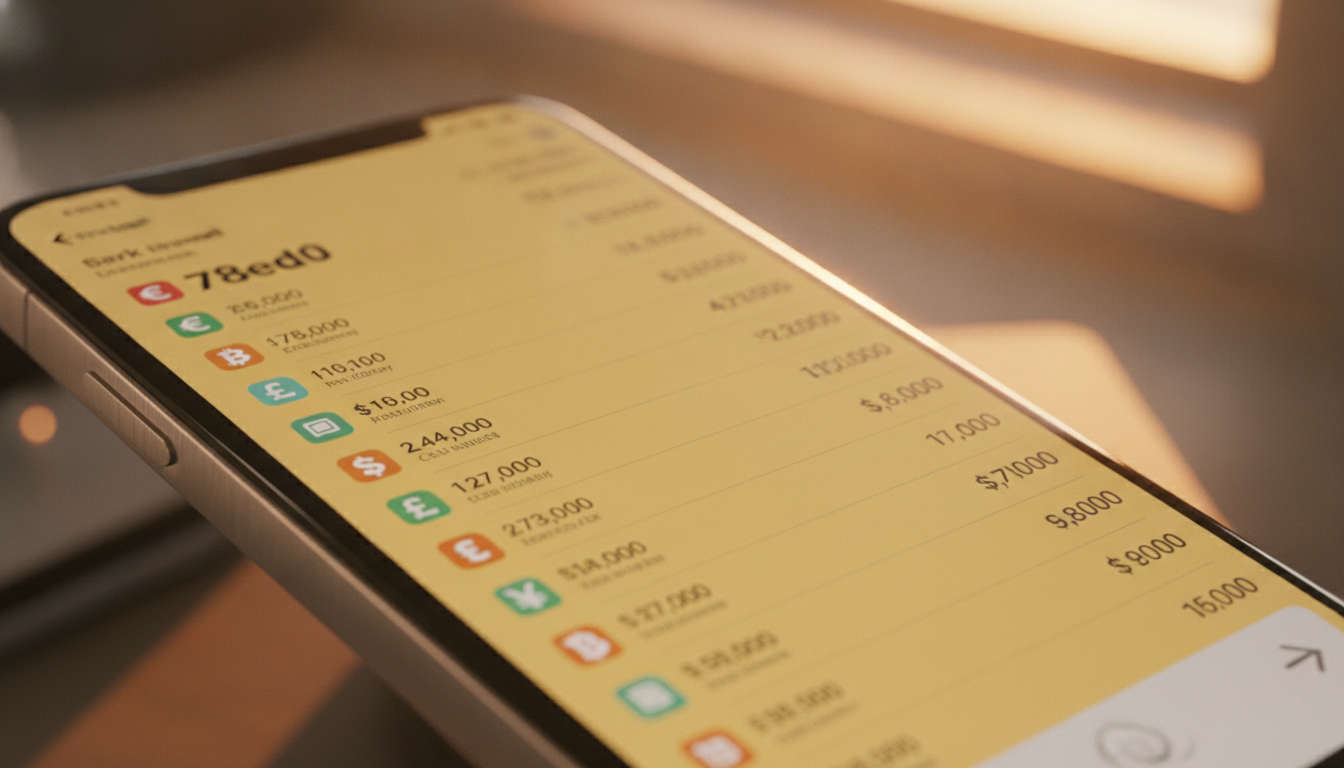
Global accounts, sometimes called virtual accounts, provide local bank details in foreign currencies so counterparties can pay you like a domestic supplier. Airwallex publishes that you can open local currency accounts and receive in 20 plus currencies. These products connect to traditional clearing systems and come with the documentation finance teams expect. (airwallex.com)
Stablecoin workflows move value on public blockchains as fiat‑denominated tokens. On Stellar, the base network fee is a fraction of a cent per operation, and USDC is native. Circle describes near‑instant settlement with fiat cash‑out through listed on and off‑ramps, now also supported by Coinbase flows. This makes treasury moves and mass payouts fast and easy to audit on‑chain. (stellar.org)
One surprise: even when SWIFT gpi is fast for a leg of a journey, total cross‑border time and cost vary widely once intermediaries and FX markups enter the picture. (bis.org)
An expert take on cross‑border friction

“Cross‑border payments, particularly remittances and retail transactions, remain more costly, slower, less accessible, and less transparent than domestic payments.” That observation comes from Stijn Claessens and Tara Rice in a 2026 BIS paper on cross‑border payment technologies. It captures why many teams now run both bank accounts and on‑chain rails side by side. (bis.org)
How to choose: Airwallex, Mercury, or SeevCash for cross‑border payouts
Start with your receivables. If your customers must pay from domestic rails in many countries with invoices that need local references, global accounts help. Airwallex’s business account supports local collection in 20 plus currencies, covers global transfers at interbank plus a margin, and issues multi‑currency cards. (airwallex.com)
Then look at payables and payroll. If your contractors want money today and interchange fees or SWIFT deductions keep shaving amounts, stablecoin USDC on Stellar can clear in seconds with fees that round to pennies. If you need bank statements and supplier checks for auditors, pair on‑chain settlement with a traditional account for record‑keeping. (stellar.org)
Finally, consider your eligibility. Mercury’s own help center says companies formed outside the US are not eligible to send international wires and non‑USD wires carry a 1 percent exchange fee. That combination matters for foreign‑owned LLCs paying overseas vendors. (support.mercury.com)
The pricing question: fees, FX, and where money silently leaks
Airwallex publishes that FX on major currencies is often 0.5 percent above interbank, with higher margins for minors. Wise prices by corridor using the mid‑market rate plus a variable percentage and a small fixed fee, which makes it cheaper for some routes and amounts and not for others. These two approaches are apples and pears, so test your exact flows. (airwallex.com)
Mercury is US‑only at the account level, with non‑USD card transactions incurring a 3 percent currency conversion fee and non‑USD international wires carrying a 1 percent exchange fee. If most of your outflows are non‑USD, that adds up fast. (support.mercury.com)
Table 1. Fit by goal: virtual accounts vs stablecoin rails
| Goal | Better with virtual accounts | Better with stablecoin rails |
|---|---|---|
| Collect like a local in many markets | Local account details, bank references, batch reconciliation | Accept USDC from anywhere, then convert via listed off‑ramps if payer prefers crypto |
| Pay global freelancers today | Bank wires with predictable cutoffs | USDC on Stellar clears in seconds, fees near zero, transparent on‑chain audit trail |
| Control FX timing | Hold multi‑currency balances and convert on schedule | Hold USDC, convert to fiat only when needed through compatible off‑ramps |
| Documentation for audits | Bank statements and traditional statements | On‑chain proofs plus exchange or off‑ramp statements |
| Card and expense control | Issue multi‑currency corporate cards | Issue virtual cards through a partner while settling treasury on‑chain |
Sources: Airwallex business account features, Stellar fees and USDC documentation. (airwallex.com)
Our perspective and what we built
We built stablecoin‑first rails around USDC on Stellar with listed on and off‑ramps, then layered eligibility for US, EU, and UK account creation for freelancers and consumer remittances in one app. For SMBs, our SeevCash Plus workspace adds invoicing and virtual corporate cards, and for savers we provide an in‑app yield wallet with disclosed risks. See our Circle partner directory listing for a public snapshot. (partners.circle.com)
For details on crypto receivables and checkouts, our primer covers practical steps any team can follow, whatever tools you use: The Complete Guide to Accepting Crypto and Stablecoin Payments for Startups and Remote Teams.
What changed this year for startup banking
Mercury announced a transition away from Evolve Bank and Trust in 2025 and now routes deposits through other partner banks. Eligibility rules also clarified that companies formed outside the US cannot use international wire features, and non‑USD wires carry a 1 percent exchange fee. If your treasury relies on non‑USD payouts, test this before committing. (bankingdive.com)
Airwallex continued to emphasize local collection, interbank FX with published margins, and coverage that often eliminates SWIFT fees when paying suppliers in local currencies. That reduces the chance of missing funds due to intermediary deductions. (airwallex.com)
Table 2. Feature snapshot: SeevCash, Airwallex, Mercury
| Capability | SeevCash (USDC on Stellar) | Airwallex | Mercury |
|---|---|---|---|
| Local collection details | US, EU, UK access for freelancers plus consumer remittances in one app | Local details in 20 plus currencies | US checking and savings with FDIC program banks |
| Payout coverage | USDC to wallets, USD to bank, listed on/off‑ramps | Local transfers to 120 plus countries, SWIFT when needed | ACH, domestic wires, RTP, international wires with limits |
| FX approach | On‑chain USDC, convert at off‑ramps | Interbank FX plus a published margin, often 0.5 percent for majors | Non‑USD wires 1 percent FX fee; card transactions in non‑USD 3 percent |
| Cards | Virtual cards for teams (via SeevCash Plus) | Multi‑currency corporate cards | Business debit and IO cards |
| APIs | Payments and payouts, stablecoin first | Payments, FX, accounts, issuing | Banking and payments |
| Speed and cost | Near‑instant on Stellar, network fees are tiny | Local rails can avoid SWIFT deductions | US‑led, FX and card fees apply for non‑USD |
Sources: Airwallex docs and pricing pages, Mercury help center and legal addendum, Stellar docs, Circle pages. (airwallex.com)
Workflows that actually ship money
Receivables from many markets without surprise deductions. Create local details where you sell most. Use payment links for long‑tail buyers. If a buyer prefers crypto, accept USDC then convert at exit. For a step‑by‑step playbook on crypto receivables, see Payment Links and Crypto Checkouts: Faster Ways to Get Paid.
Mass contractor payouts with clear taxes. When you pay 50 contractors across five countries, two problems repeat: delays and unclear fees. A stablecoin rail removes intermediate banks. If you must pay in fiat, pair local transfers where available with batched conversions. Our field manual compares options across payroll suites and crypto rails: Crypto Payroll for Remote Teams: A Practical Playbook.
FX timing for marketplaces and agencies. Keep balances in the currency of your costs and only convert at good times. That is standard on multi‑currency accounts. With USDC, you can also hold a digital dollar until a local exit is cheapest, then cash out via a compatible off‑ramp. Circle and the Stellar Development Foundation outline these mechanics, including listed on and off‑ramp providers. (circle.com)
What about total cost, not just line‑item fees
There are three places money disappears: FX spreads, SWIFT deductions, and card scheme costs. Airwallex documents show a transparent FX margin on top of interbank and the ability to avoid SWIFT with local rails in many countries. Wise publishes that its fee has a variable percentage plus a fixed component, and an independent reviewer recently showed a 3.42 dollar fee to convert 1,000 dollars to euros on a test day. You need corridor‑specific quotes to decide. (airwallex.com)
On‑chain, the fee structure is different. Stellar’s base fee is 0.00001 XLM per operation, so a multi‑output payout barely moves your cost, although you still consider on and off‑ramp pricing when converting between USDC and fiat. (developers.stellar.org)
Risk, compliance, and the one warning you should hear
All three approaches carry obligations. Sanctions screening, KYC for beneficiaries, and source‑of‑funds checks do not disappear just because you move faster. For international wires, Mercury’s legal addendum underscores that acceptance of a wire instruction does not guarantee when a network will execute the transfer. On‑chain, review issuer proof‑of‑reserves and use conservative custody. One warning is enough. (datocms-assets.com)
Where stablecoin rails already intersect with the card networks
Visa first piloted USDC settlement in 2023 and now publicly tracks stablecoin activity through a dashboard built with Allium. Coinbase added USDC on Stellar support for deposits and withdrawals, which increases ways to cash in and out. The bridge between card worlds and on‑chain settlement keeps closing. (corporate.visa.com)
Who wins for freelancers and remote teams
Freelancers often need three things on day one: a way to get paid like a local, a predictable path to cash out in home currency, and speed when clients are late. Virtual accounts solve the first. Stablecoins fix the last. The trick is stitching them together without extra tools.
For a deeper comparison of paying contractors on crypto rails against a payroll platform, read SeevCash vs Remote: Contractor Payments, Fees, and Pay Coverage. For teams comparing stablecoin payouts to legacy payroll suites, we mapped where crypto beats bank rails in SeevCash vs Rippling Global Payroll: When Crypto Payouts Beat Traditional Rails.
What we do for SMB finance teams
We wrap stablecoin rails with an SMB hub. Inside SeevCash Plus you will find invoicing, virtual corporate cards, and controls for teams who live in spreadsheets. That sits next to USDC payouts and incoming crypto receivables, so ops can choose the fastest route and finance still gets clean records.
If you are still raising the bar on when to use what, our explainer keeps it vendor‑agnostic: Stablecoins for Business: What They Are, How They Work, and When to Use Them.
Practical, non‑vendor steps to decide your mix
- Map flows by corridor and method. List your top five inbound and outbound routes with amounts and timing needs.
- Pull live quotes. Use Airwallex, Wise, and your domestic bank calculators on the same day and amounts. Screenshot the numbers for your memo. (airwallex.com)
- Check eligibility edge cases. If you have a foreign‑owned US entity, confirm wire‑sending eligibility and fees. (support.mercury.com)
- Price on and off‑ramps. If you add USDC, price ramps and any local cash‑out partners you plan to use. (circle.com)
- Simulate reconciliation. Make sure your accounting system can tag payouts and receivables by corridor and method. Airwallex, Wise, and our app all export journals, but the formats differ. (airwallex.com)
Optional: we support this evaluation in our app, but you can complete the entire exercise with other tools if you prefer.
Who does Airwallex compete with?
Airwallex’s competitor set spans multi‑currency accounts, global acquiring, and spend management. On the accounts and FX side, Wise Business is a peer, which Wise itself acknowledges in SEC filings listing Airwallex among competitors. For acquiring and card‑present expansion, TechCrunch highlights Adyen and Stripe as direct targets as Airwallex pushes into point of sale. In spend and cards, Ramp, Brex, and Revolut Business commonly appear on shortlists, with third‑party directories such as G2 and TrustRadius listing all of the above. Expect overlap, since most buyers assemble a stack. (owners.wise.com)
What are the disadvantages of Mercury bank?
Mercury is strong for US‑based startups that need modern UI, FDIC‑insured program banks, and API access. The tradeoffs appear in cross‑border and FX. Their help center states that companies formed outside the US are not eligible to send international wires. Non‑USD wires carry a 1 percent exchange fee, and business debit or IO card transactions in non‑USD add a 3 percent conversion fee. That is material for teams paying overseas vendors. Mercury’s partnership model also means functionality can shift when partner banks change, as covered by Banking Dive in 2025. None of this is fatal, but it shapes fit. (support.mercury.com)
What are some alternatives to Mercury bank for non‑residents in the US?
If you run a foreign‑owned US company and cannot meet Mercury’s conditions for international wires, consider platforms with broader non‑resident coverage. Wise Business provides US account and routing numbers and multi‑currency receiving details, with pricing shown per corridor. Airwallex offers local collection in 20 plus currencies and extensive local payout rails, which reduces SWIFT deductions. Payoneer issues receiving accounts in several regions for marketplace sellers and B2B services across 190 plus countries. Revolut Business provides multi‑currency accounts with subscription plans and FX allowances. Each option comes with its own KYC rules, limits, and pricing, so verify per jurisdiction. (wise.com)
Is Airwallex cheaper than Wise?
Sometimes. Airwallex advertises interbank rates with a transparent margin that is often 0.5 percent for major currencies, and local rails that avoid SWIFT fees in many routes. Wise uses the mid‑market rate and adds a variable percentage plus a fixed fee per transfer, which can be very low on popular corridors. In a published example, converting 1,000 dollars to euros through a Wise Business profile cost 3.42 dollars on one October 2026 date, which is competitive with a 0.5 percent margin. Your corridor, amounts, and how funds are funded or paid out decide the winner, so you should test both on the same day. (airwallex.com)
Where hybrid beats either approach alone
The best stacks are boring and resilient. Teams often hold a USD or EUR balance in an account that supports local payouts, then use USDC on Stellar for mass disbursements where speed or cost matters. Visa’s public engagement, along with growing exchange and wallet support for USDC on Stellar, shows this is no longer a crypto‑only pattern. (corporate.visa.com)
For a ground‑level view of crypto vs payroll suites for remote teams, our analysis here is a good companion read: SeevCash vs Rippling Global Payroll.
The 2026 reality check, by use case
- Early‑stage SaaS with US customers, non‑US team. A US account for Stripe and marketplace payouts is table stakes. Add USDC for paying several contractors at month end to avoid SWIFT fees and week‑long traces.
- Agency spending in multiple ad platforms. Cards with multi‑currency settlement plus on‑chain treasury between big campaigns help separate spend from FX timing risk.
- Marketplace with EU and UK buyers. Local collection in EUR and GBP for chargeback handling and compliance, with on‑chain settlement between group entities to reduce delays.
For a contractor‑first look at costs and coverage, we compare bank rails against crypto payouts in SeevCash vs Remote.
When we use our own rails
We reach for our rails when a payer in London needs a refund in Lagos by Friday, or when a startup must land 200 micro‑payouts to creators in under an hour. Our stablecoin rails on USDC via Stellar with listed on and off‑ramps fit those windows, and the SeevCash App shows on‑chain network fees before you pay. Circle’s and Stellar’s public resources explain why the costs stay low even with traffic spikes. (circle.com)
For SMB controllers who want a single pane of glass, SeevCash Plus adds invoicing and virtual corporate cards next to payouts, so finance and ops work from the same ledger without drifting into spreadsheet chaos.
Image guideposts for your team
The data behind the choice
Two data points light the way. First, the BIS and FSB still characterize cross‑border payments as slower and costlier than domestic, even with gpi and new initiatives. Second, Visa’s work with USDC settlement and the Allium analytics show stablecoin activity moving from trading into real payment flows. These are not silver bullets, but they challenge the idea that you must pick only one rail. (bis.org)
Coming soon in this pillar cluster
We are publishing a focused comparison of mass payouts toolkits, “SeevCash vs Trolley,” covering payout files, tax forms, and KYC flows. It will sit next to our Remote and Rippling comparisons and will be linked here when live.
A note on yield, risk, and transparency
Our app includes an optional yield wallet that targets higher returns. Yields are variable and not guaranteed, and you should only allocate funds according to your stated treasury policy and risk appetite. Review disclosures inside the app before using any yield feature.
One last nudge and how to proceed
- If you mostly collect and pay in one currency, test Airwallex or Wise for local rails and cards, and price your two heaviest corridors. (airwallex.com)
- If you pay many small invoices across borders or need money to arrive today, add a USDC on Stellar workflow and compare end‑to‑end time and cost. (circle.com)
- If you operate a foreign‑owned US entity and must pay non‑USD vendors, read Mercury’s eligibility and FX fee pages closely before deciding. (support.mercury.com)
When you want help standing up the hybrid approach, we can be one option. We built our rails for near‑instant USDC payouts on Stellar, added US, EU, and UK accounts in one app, bundled an SMB workspace with invoicing and virtual cards, and included an optional yield wallet for idle balances, all disclosed in plain English. Circle’s directory lists us among Stellar‑based partners. Ready to try the mix that fits your flows today? Start by pricing your top three routes, then open your accounts and turn on USDC where it makes sense. (partners.circle.com)